General Flooring Options Explained: Hardwood, Vinyl, Laminate, and Carpet
People searching for flooring installation are usually looking to upgrade or replace their floors, and local contractors can help them choose and install the best options like hardwood, vinyl, laminate, or carpet.
Understanding the different types of flooring options-such as hardwood, vinyl, laminate, and carpet-can help property owners make informed choices for their spaces. Whether renovating a home, upgrading a commercial area, or simply exploring new styles, knowing the practical benefits and considerations of each flooring type can lead to better decisions that enhance both functionality and appearance. Property owners in the area often explore this topic to find solutions that align with their lifestyle, maintenance preferences, and aesthetic goals, making it a common part of the renovation process.
Connecting with experienced local contractors can simplify the process of choosing and installing the right flooring. These professionals can provide valuable insights into the durability, installation methods, and maintenance needs of each option, ensuring the selected flooring complements the space perfectly. By exploring general flooring options explained here, property owners can better understand what to expect and how local service providers can assist in achieving a successful installation that meets their specific needs.
- Hardwood flooring installation - needed when homeowners want a durable, classic look that enhances the value of a space, with local contractors ensuring precise fitting and finishing.
- Vinyl flooring installation - suitable for areas prone to moisture or heavy use, with service providers focusing on seamless, waterproof installations for long-lasting results.
- Laminate flooring installation - ideal for those seeking an affordable, easy-to-maintain option, with local pros expertly laying planks to mimic natural materials.
- Carpet installation - chosen for comfort and warmth in bedrooms or living rooms, with local contractors providing secure padding and clean, professional placement.
- General flooring options explained - helps homeowners understand the best choices for their space, with local service providers ready to assist with expert installation tailored to each material.
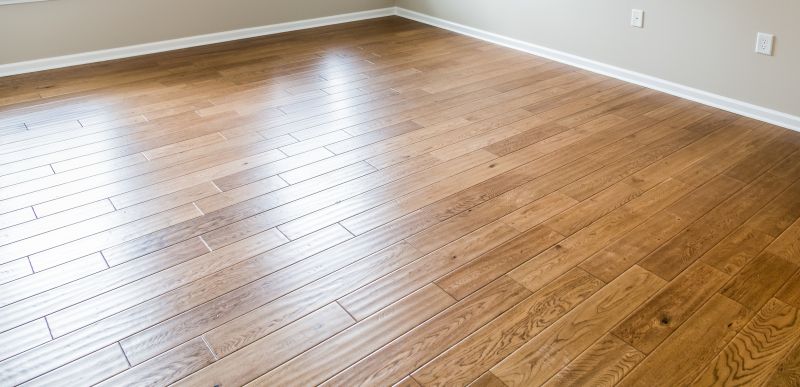

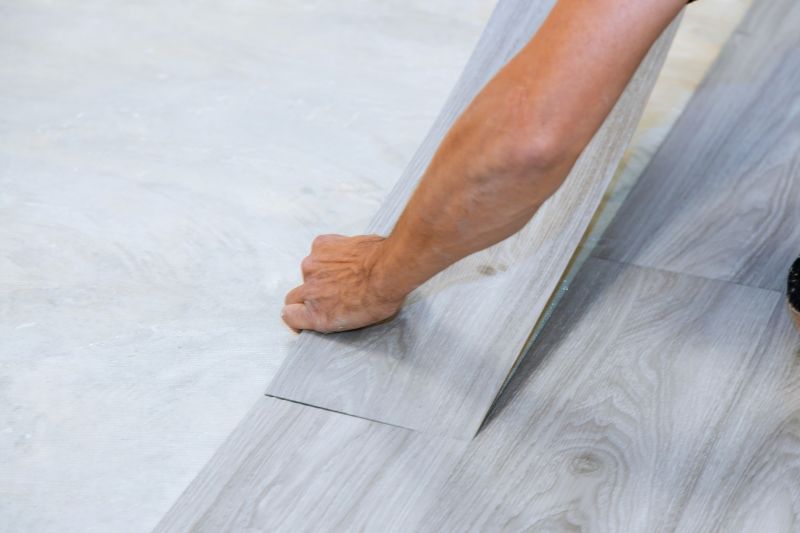
When homeowners search for general flooring options explained: hardwood, vinyl, laminate, and carpet, they are often trying to understand the differences between these popular materials to make informed decisions for their living spaces. This topic typically relates to planning a renovation, replacing worn-out flooring, or selecting a new surface for a newly built property. Many property owners want to know which flooring types are most durable, cost-effective, or suitable for specific areas like kitchens, bedrooms, or basements. Understanding these options helps homeowners visualize how each material can match their lifestyle, aesthetic preferences, and functional needs, making it easier to collaborate with local contractors who specialize in installation and can guide them through the process.
The questions surrounding these flooring options often involve the problems of wear and tear, moisture resistance, comfort, and maintenance. For example, a homeowner might be concerned about choosing a flooring type that can withstand high foot traffic or spills in a busy household. Others may be planning a renovation for a basement or a commercial space where moisture resistance is critical. The goal is to find a solution that balances appearance, durability, and practicality. Local service providers who specialize in flooring installation are equipped to help evaluate these factors and recommend the best options based on the specific needs of each property, whether it’s a family home, rental property, or commercial building.
Properties that frequently come up in discussions of general flooring options include single-family homes, apartments, condos, and light commercial spaces. Residential properties often require flooring that complements interior design while offering comfort and ease of maintenance. Apartments and condos might prioritize flooring that reduces noise transfer or is easy to clean, while larger homes could focus on durability and aesthetic appeal. Commercial spaces, on the other hand, often need flooring that can handle heavy use and resist damage over time. Local contractors who specialize in flooring installation understand these property types and can help homeowners choose the right materials to meet their specific requirements, ensuring the project aligns with the property’s use and style.
Choosing the right flooring involves understanding the unique benefits and limitations of each material. Hardwood flooring provides a natural, timeless look but can be susceptible to scratches and moisture damage if not properly maintained. Vinyl flooring is highly resistant to moisture and easy to clean, making it suitable for kitchens and bathrooms. Laminate offers a cost-effective alternative that mimics the appearance of hardwood but with increased resistance to scratches and dents. Carpet provides warmth and comfort, especially in bedrooms and living areas, but may require more frequent cleaning. Local flooring installation professionals can assist in assessing the property's needs, helping to select the appropriate material, and ensuring a proper installation that maximizes the lifespan and appearance of the chosen flooring.
Subfloor Preparation - ensuring a smooth, level surface is essential for all flooring types and is a skill shared by many flooring installation service providers.
Underlayment Installation - selecting and installing appropriate underlayment is common across hardwood, vinyl, laminate, and carpet projects to improve comfort and durability.
Flooring Removal and Disposal - safely removing old flooring materials and preparing the space is a related skill that local contractors often handle before new installation.
Measuring and Layout Planning - precise measurements and planning are crucial for all flooring options, and experienced service providers excel at this aspect of the project.
Transition Strip Installation - connecting different flooring surfaces or room sections smoothly is a task frequently performed by flooring specialists.
Surface Cleaning and Prep - thorough cleaning and surface prep ensure optimal adhesion and finish quality across various types of flooring installations.

When evaluating local contractors for flooring installation, it is important to consider their experience with similar projects, particularly in handling different types of flooring such as hardwood, vinyl, laminate, and carpet. An experienced service provider will have a proven track record of working with these materials, ensuring they understand the specific installation requirements, surface preparation, and finishing techniques necessary for each. Homeowners should inquire about past projects that resemble their own to gauge whether the contractor has the appropriate expertise and familiarity with the flooring options they are interested in.
Clear, written expectations are essential when comparing local contractors for flooring services. A reputable provider will offer detailed estimates that outline the scope of work, the materials to be used, and the installation process. This transparency helps prevent misunderstandings and ensures that both parties are aligned on the project’s deliverables. Homeowners should seek contractors who communicate openly about what to expect during and after installation, including any potential challenges or additional costs that might arise.
Reputable references and effective communication are key indicators of a reliable flooring service provider. When considering different local contractors, it is beneficial to ask for references from previous clients who had similar flooring projects. This can provide insight into the quality of work, punctuality, and professionalism. Additionally, a contractor who maintains open lines of communication, responds promptly to questions, and provides thorough explanations demonstrates a commitment to customer satisfaction. These qualities help ensure the project progresses smoothly and that homeowners feel confident in their choice of service provider.
Property owners often search for general flooring options explained: hardwood, vinyl, laminate, and carpet when they are planning practical projects around their homes and businesses. Local pros provide Flooring Installation services for everyday jobs and straightforward project options.


Many property owners in the area explore the general flooring options explained: hardwood, vinyl, laminate, and carpet, to determine the best choice for their homes or businesses. For those undertaking a renovation or new installation, understanding the differences between these materials can help in making informed decisions that suit daily living needs and aesthetic preferences. Local contractors who specialize in flooring installation can assist in evaluating the durability, maintenance requirements, and visual appeal of each option, ensuring the final result aligns with the property's style and usage.
Choosing the right flooring often depends on practical considerations like foot traffic, comfort, and the environment of each space. For example, hardwood offers a classic look but may require more care, while vinyl and laminate provide versatile, cost-effective solutions that are resistant to moisture and wear. Carpets can add warmth and softness to bedrooms or living areas. Service providers in the area can help property owners compare these options and handle the installation process, delivering a finished floor that meets both functional needs and personal preferences.
What are the main differences between hardwood, vinyl, laminate, and carpet flooring? Hardwood offers natural beauty and durability, vinyl is water-resistant and versatile, laminate provides a cost-effective alternative with a realistic look, and carpet adds softness and warmth. Local contractors can help determine which option suits specific needs and preferences.
How do installation requirements vary among these flooring types? Hardwood and laminate typically require precise subfloor preparation and professional installation, vinyl can often be installed over existing surfaces, and carpet installation involves padding and stretching. Professional service providers ensure proper installation for each type to maximize longevity.
Are some flooring options better suited for high-traffic areas? Yes, hardwood and laminate are generally durable for high-traffic spaces, while vinyl and certain carpets can also perform well depending on their quality. Local flooring specialists can recommend the best choice based on traffic levels and usage.
Can these flooring options be installed over existing floors? Vinyl and laminate often can be installed over existing surfaces, saving time and effort, while hardwood and carpet may require removal or special preparation. Service providers can assess existing floors and advise on suitable installation methods.
What maintenance is required for each type of flooring? Hardwood and laminate need regular cleaning and occasional refinishing, vinyl is easy to clean and resistant to stains, and carpet requires regular vacuuming and occasional deep cleaning. Local flooring experts can provide guidance on proper care for each material.
Assessing durability needs - property owners can work with local contractors to choose flooring options that withstand daily wear, especially in high-traffic areas.
Matching style with interior design - local service providers can help select flooring materials that complement existing decor and personal preferences.
Considering installation complexity - property owners can consult local pros to determine which flooring types are suitable for their space and existing subfloor conditions.
Exploring maintenance requirements - local contractors can advise on flooring options that fit the property's upkeep routines and lifestyle needs.
If you are thinking about general flooring options explained: hardwood, vinyl, laminate, and carpet for a property, this guide is meant to help you understand this topic, the typical project types, and how different options might fit your plans.
When you are ready, you can use the quote form on this page to share a few details about your project. From there, local pros can review the basics and follow up with options that match what you have in mind.